
Protein Powders
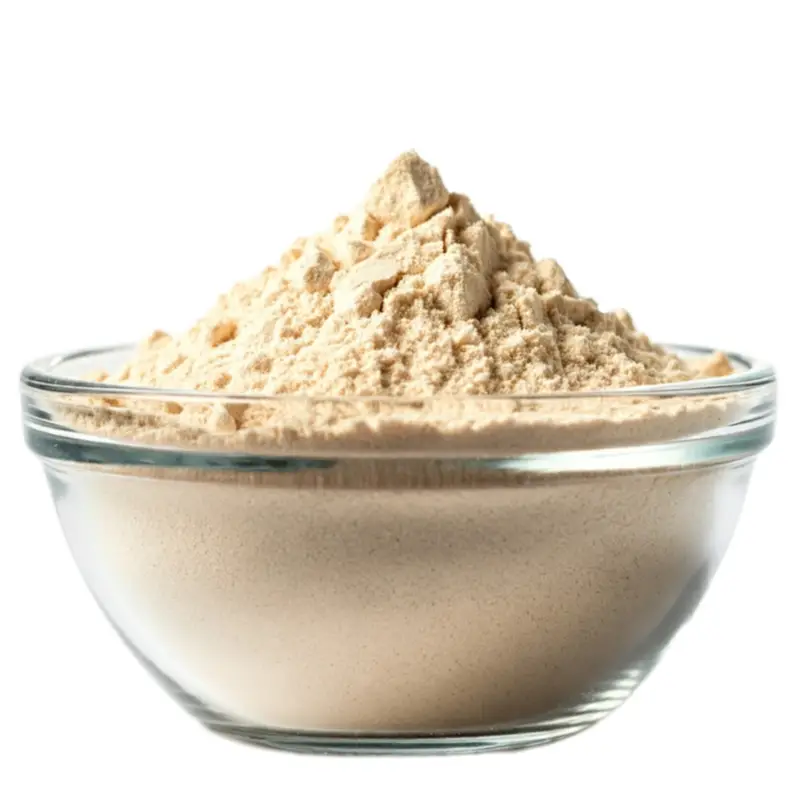
Quality Wholesale Protein Powders available in Bulk – Shop form a variety of Whey Protein, Vegan Protein, and More! Save more by buying a bulk box of Protein!
Whey protein Powder
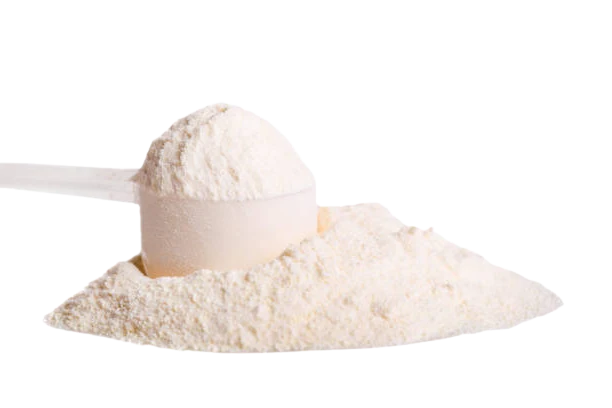
Whey protein powder can be used in a variety of ways. It can be added to smoothies, shakes, yogurt, or oatmeal. It can also be used to make protein bars, cookies, and other baked goods. Whey protein powder is a convenient and easy way to increase your protein intake.
Best Protein Powders
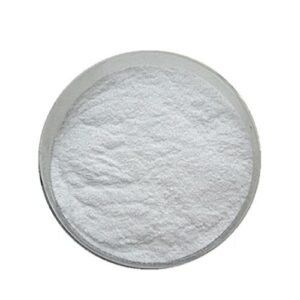
All Natural Instant Whey Protein Concentrate Powder containing 80 percent protein.
| Source | Cow’s milk whey, a by-product of cheese manufacturing |
| Available grades | WPC 35, WPC 80, WPI (>90% protein), WPH (hydrolysate) |
| Key origins | USA, Germany, France, Netherlands, Ireland, New Zealand |
| Applications | Sports nutrition, protein bars, RTD beverages, functional bakery, infant formula (WPI grade) |
| Certifications | GFSI (BRC, IFS, FSSC 22000), Halal, Kosher, non-GMO, EU Organic (grass-fed) |
| Packaging | 15–25 kg lined paper bags; 1,000 kg big bags |
| MOQ | From 25 kg |
| Category | Proteins |
Protein Powder Whey
Grade selection drives both formulation outcome and cost. WPC 80 is the standard procurement grade for protein powders and bars; WPI is required where lactose content must be minimised, such as in lactose-free products or infant nutrition applications. WPH has a higher price over WPI and is primarily justified in medical nutrition and recovery-focused sports products where rapid amino acid absorption is critical. The table below outlines key procurement differences:
| Grade | Protein % | Lactose | Characteristics | Applications |
| WPC 35 | ~35% | High | Lower cost; used in blended dairy and food products | Bakery enrichment, snack coatings, food processing |
| WPC 80 | ~80% | Low–medium | Standard sports nutrition grade; good solubility | Protein powders, bars, meal replacements |
| WPI 90+ | >90% | Trace / none | Near-zero lactose; clean protein profile | Lactose-free products, low-carb formats, infant nutrition |
| WPH | Varies | Varies | Pre-digested; faster amino acid release | Sports recovery, medical nutrition, sensitive digestion |
Instantized whey protein has been processed for better dispersibility in cold water; non-instantized powder clumps when mixed cold. For RTD beverages and sachet formats, confirm instantized specification with your supplier. Protein content, moisture, fat, lactose, and ash are the core parameters in the Codex Standard for Whey Powders (CXS 289-1995), which defines minimum protein thresholds by grade.
Bulk Protein Powder
Moisture control is the primary quality risk in bulk whey protein: powder above 5% moisture is susceptible to caking, microbial growth, and reduced shelf life during transit. Request moisture content as a mandatory item on the Certificate of Analysis before approving any bulk shipment. Standard bulk packaging runs from 15 to 25 kg lined paper bags; shelf life is 12 to 24 months under cool, dry storage (below 25°C). Specify the following before placing a bulk order:
- Grade and protein %: WPC 35, WPC 80, WPI 90+, or WPH; protein content is stated on a dry basis in the CoA
- Instantized or non-instantized: non-instantized is lower cost but unsuitable for direct-mix consumer applications
Milk production in the Northern Hemisphere peaks in spring and summer, which can affect raw material availability and spot pricing in Q4.
Organic Whey Protein
Organic whey protein is sourced from cows raised without synthetic hormones or antibiotics, typically on grass-fed or pasture-based systems. New Zealand is the most recognised origin for grass-fed organic whey due to its pasture-based dairy model, though supply is seasonal and lead times are longer than European sources.
Germany, Ireland, and France supply EU Organic certified whey with shorter lead times and well-documented traceability. Confirm whether the supplier holds both EU Organic and USDA NOP certification if you are selling into multiple markets; dual certification is not universal.
Private Label Whey Protein
Private label whey protein is most commonly sold in 500 g to 1 kg pouches or jars in flavoured and unflavoured formats. Confirm instantized specification for flavoured products where direct-mix performance is part of the consumer proposition.
Suppliers offering private label typically provide in-house blending for flavour systems; request a physical sample before approving any flavoured SKU. Some suppliers on Nutrada offer allergen-controlled lines for manufacturing alongside plant-based protein blends.
Whey Protein Origins
The USA accounts for approximately one-third of global whey protein production, driven by strong domestic demand for isolate-grade material.
Germany, France, the Netherlands, and Ireland are major EU producers operating large-scale dairy processing facilities with comprehensive GFSI and Halal certification coverage.
New Zealand produces premium grass-fed whey with a seasonal supply profile; buyers should factor in longer lead times and higher unit cost relative to European origins.
Nutrada lists GFSI-certified whey protein suppliers from Europe, the USA, and New Zealand, covering WPC, WPI, and hydrolysate qualities in conventional and organic options.
Also available on Nutrada:
- Pea Protein: plant-based alternative for vegan formulations
- Soy Protein: complete plant protein for sports nutrition and meat alternative applications
Reviews
There are no reviews yet.