
HDPE High Density Polyethylene buying guide: price, grade and packaging
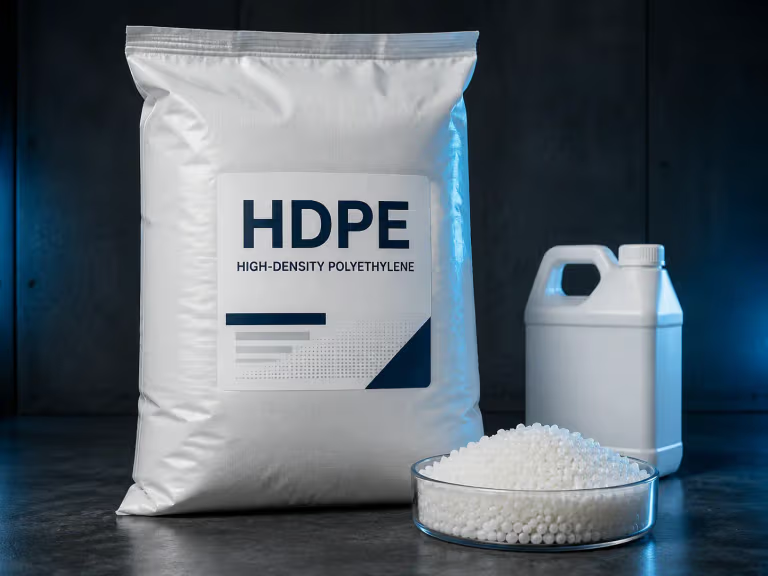
High-density polyethylene (HDPE) is a thermoplastic polymer produced from the monomer ethylene. It is known for its high strength-to-density ratio, rigidity, chemical resistance, and low cost. HDPE is the most widely used type of polyethylene.
Chemical Properties
| Property | Value |
| Melting point | 92 °C |
| Boiling point | 48‑110 °C (Press: 9 Torr) |
| Density | 0.962 g/mL at 25 °C |
| Refractive index | 1.51 |
| Flash point | 270 °C |
| Storage conditions | -20 °C |
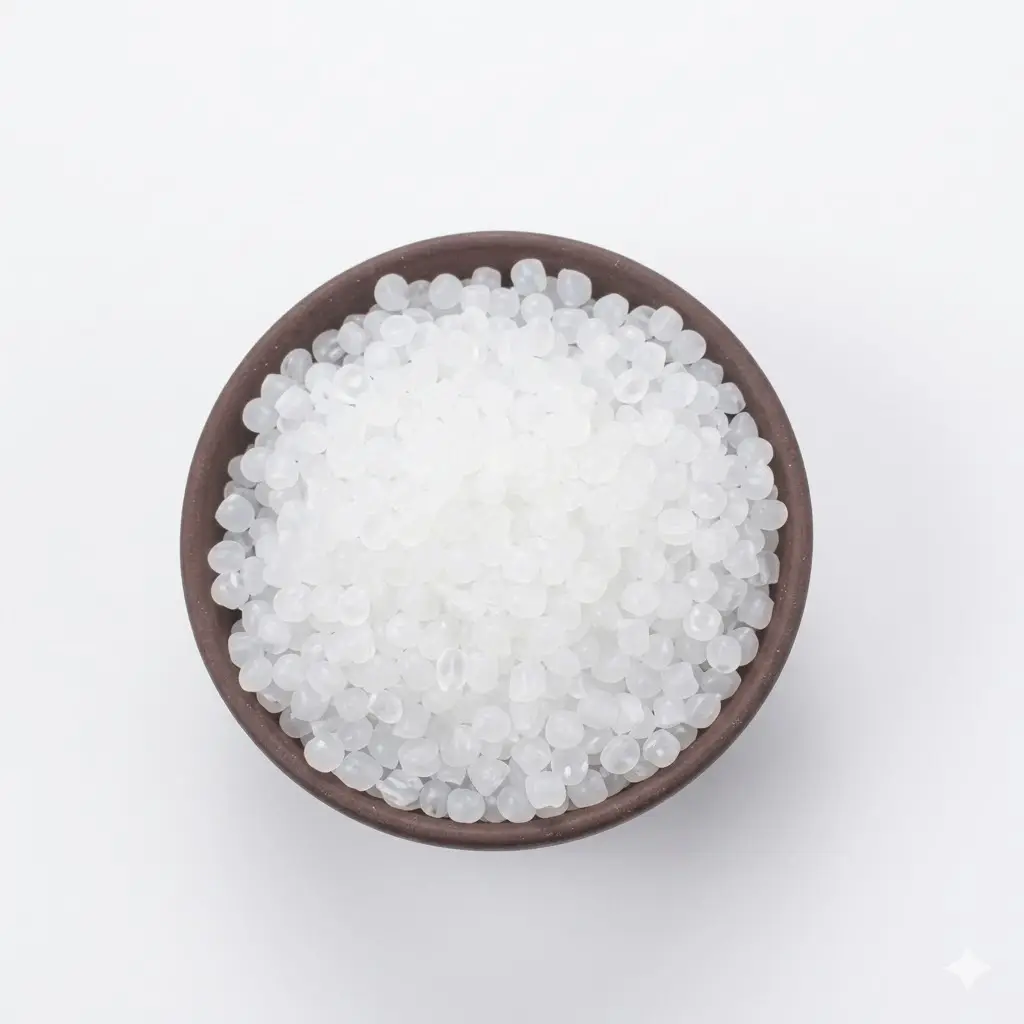
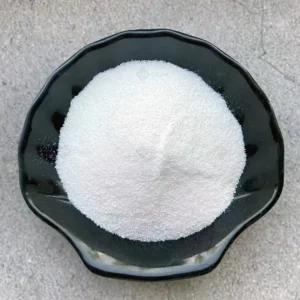
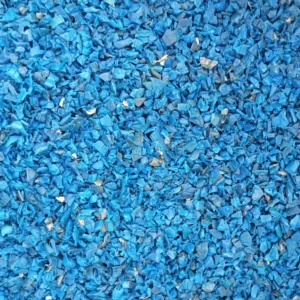
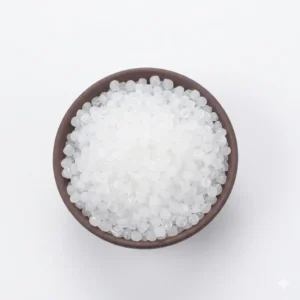
| Form | Particle / Granule / Pellet |
| Color | White |
| Specific gravity | 0.95 |
| Biological source | rabbit |
| Water solubility | Soluble in acetone and benzene. Insoluble in water. |
| Thermal conductivity | 0.331 W/(m·K) (low density); 0.414 W/(m·K) (medium density); 0.502 W/(m·K) (high density) |
| Merck | 14,7567 |
| Dielectric constant | 2.2 (Ambient) |
| Stability | Stable, but slowly decomposes under UV or sunlight. Incompatible with halogens, strong oxidizing agents, benzene, petroleum ether, aromatic and chlorinated hydrocarbons, lubricating oils. |
| Cosmetic ingredient function | VISCOSITY CONTROLLING FILM FORMING ABRASIVE |
| InChI | 1S/C2H4/c1-2/h1-2H2 |
| InChIKey | VGGSQFUCUMXWEO-UHFFFAOYSA-N |
| SMILES | C=C |
| Surface tension | 35.7 mN/m at 20 °C |
| NIST chemical information | Polyethylene (9002-88-4) |
| (IARC) carcinogen classification | 3 (Vol. 19, Sup 7) 1987 |
| EPA chemical information | Polyethylene (9002-88-4) |
Safety Information
| Property | Value |
| Safety instructions | 22-24/25 |
| WGK Germany | 3 |
| RTECS number | TQ3325000 |
| TSCA | TSCA listed |
| HS code | 39041090 |
| Storage class | 11 – Combustible solids |
| Hazardous substances data | 9002-88-4 (Hazardous Substances Data) |
Product Usage
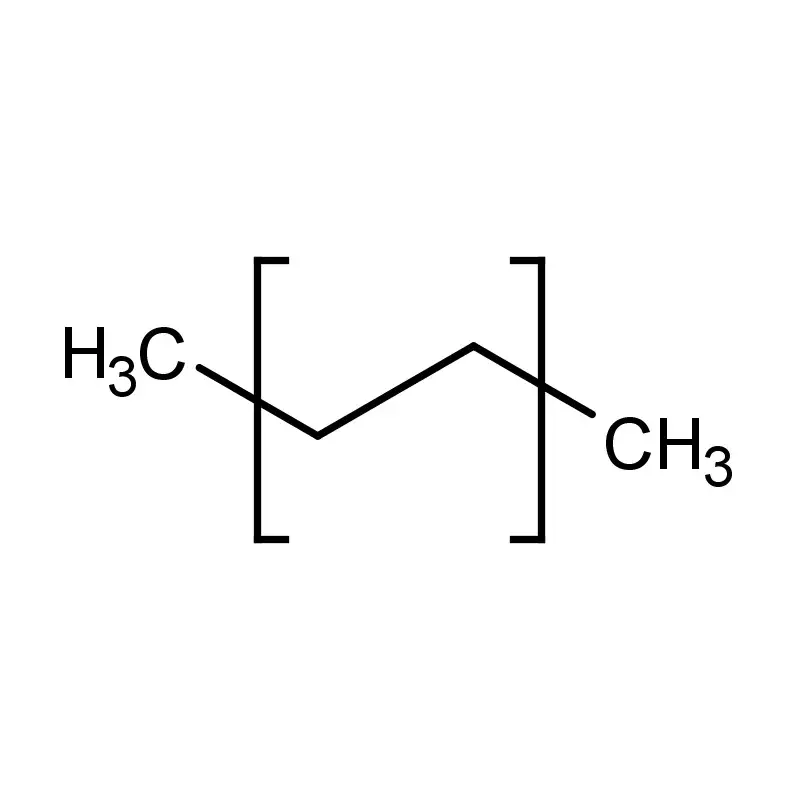
Polyethylene is a thermoplastic resin produced by the addition polymerization of ethylene, and its molecular structure contains only carbon and hydrogen elements. It is non-toxic, has excellent low-temperature resistance (minimum operating temperature can reach -100℃), and good chemical stability. Polyethylene can be processed into films, wire and cable sheaths, pipes, various hollow products, injection molded products, fibers, etc., and is therefore widely used in agriculture, packaging, automobiles, and other fields.
Reviews
There are no reviews yet.